Power Transmission
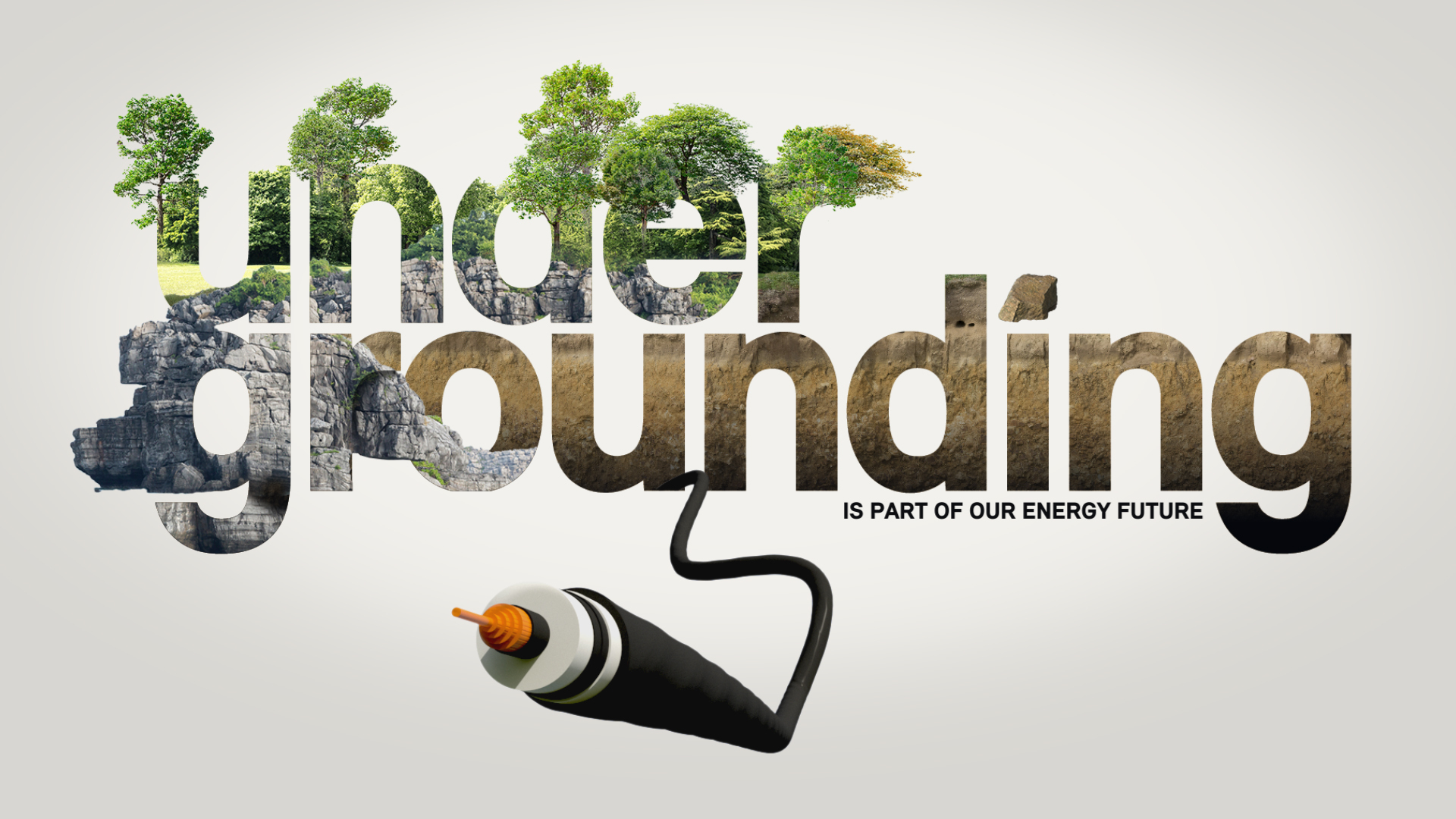
Underground power transmission networks that are fit for the future
Power transmission networks are the backbone of electric systems, carrying high-voltage (HV) electrical energy from where it is generated to local distribution networks by means of high-voltage cables. Although overhead transmission lines are most commonly used, underground lines offer numerous advantages, such as ensuring reliable, uninterrupted electricity distribution in all weathers and also preserving the visual appeal of the landscape.
Backed by over 30 years of partnership with the cables industry, our Borlink™ portfolio offers a range of polyolefin-based insulation for underground HV power cables. With superior processability and reduced risk of defects, these materials are designed to support the most ambitious undergrounding projects.

Benefits of our polyolfin materials
- Increased reliability: Grades that offer significant improvements in scorch safety, lowering the risk of defects and enabling longer production runs.
- Optimized processing: Reduced degassing time for an optimized production run.
- Fully recyclable: Materials in our Borlink portfolio are designed to last, but when they do reach the end of their life, they are fully recyclable, helping towards a more circular future.
As part of our commitment to the supporting the cables industry, we recently commissioned the University of Leuven in Belgium to investigate the impact of using underground cables (UGC) in extra-high voltage (EHV) Alternating Current (AC) networks compared to overhead lines. The full report is available here.